




















This not only compromises the quality of your workout but also increases the chances of making mistakes that could set back your fitness goals. Hangovers often come with impaired coordination, reduced reflexes, and diminished judgment—all of which increase the likelihood of injury during exercise. Whether you’re lifting weights, running on a treadmill, or participating in a high-intensity class, these impairments can turn a routine workout into a risky situation. Poor form, lack of focus, and overexertion are common pitfalls when exercising with a hangover, and they can lead to sprains, strains, or more serious injuries. Furthermore, alcohol impairs protein synthesis, the process by which your muscles repair themselves after exercise. This means that not only are you less likely to see the benefits of your workout, but you may also experience prolonged soreness and fatigue.
- Any benefits from exercise are related to symptom relief, not “curing” the hangover.
- Why do hangover shakes happen, and are they a sign of anything serious?
- These components are eliminated through sweat, urine, and breath.
- Zack George is one of the world’s top CrossFit athletes, a fitness influencer, and officially the UK’s Fittest Man 2020.
Hangover 101: Symptoms That Make You Question Everything
“This is also true for short-term issues that occur as part of a hangover,” he confirms. Offering hope and recovery for individuals and families since 1987. 25 Gut Health Hacks is yours absolutely FREE when you sign up to receive health information from Harvard Medical School. As a service to our readers, Harvard Health Publishing provides access to our library of archived content. Please note sweating while hungover the date of last review or update on all articles. Join the world’s biggest running newsletter, and wake up every day to the latest running tips, reviews, and stories.


Asking for a Friend: Are ‘Hangover Shakes’ Normal?
While using the sauna will cause you to sweat out toxic minerals, it will also cause you to sweat out https://fidia.digitrends.pk/what-is-sg-a-selling-general-administrative/ beneficial minerals like electrolytes. You should not use the sauna when under the influence of alcohol or while experiencing a hangover. You want to know what, if anything, will make your hangover go away. And in the context of this website, I’m going to tell you whether the sauna or steam room will help your hangover. If the goals of your running schedule are to improve your time, distance, or endurance you need to ask yourself whether running while hungover would progress or hinder those goals.
How To Increase VO2 Max: Our Top Tips And Workouts To Get Results
If you’re hungover and in need of that endorphin hit, it’s probably best to take it easy and make sure to drink plenty (preferably non-alcoholic drinks) beforehand. “If you do choose to work out, limit it to light cardio and ensure adequate hydration to keep up with the loss of water that occurs,” advised Rao. The rest is broken down in the liver, a process that can only be waited out, as it happens at a constant rate that can’t be increased.

Alcohol is metabolized into acetaldehyde, a substance that’s toxic at high levels. However, concentrations rarely get that high, so that’s not the complete explanation. For some people, getting in a workout after a night of too much drinking has a valuable psychological effect on well-being that shouldn’t be overlooked. Whether or not you decide to exercise, be sure to drink plenty of water and eat nutrient-rich foods.
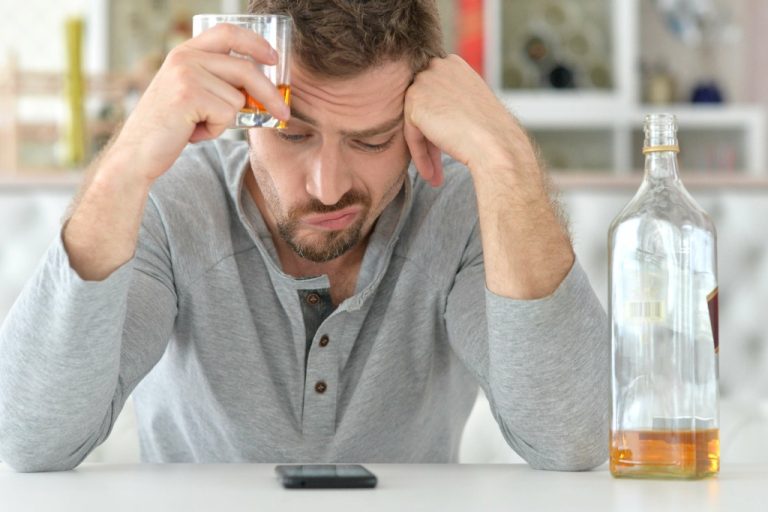


Exercising might actually make your hangover worse, particularly if you had a lot to drink and you haven’t started rehydrating yet. There are some serious risks to consider when you’re already battling a hangover. So, while a sauna marijuana addiction session might make you feel better (or at least distract you from your misery for a bit), it’s not a magical hangover eraser.
- Low blood sugar is one of the main causes of fatigue and weakness that people experience as part of a hangover.
- It tastes great and is packed with electrolytes, which will also help with those pesky hangover symptoms.
- To cut to the chase – there’s no evidence to suggest that exercising can cure a hangover.
- Things like dehydration, toxins like formaldehyde, and a whole host of effects on your body chemistry, (which are beyond the scope of this article)–all may play a role in causing your hangover.
- “Alcohol is first processed by your stomach and small intestine, where it is then absorbed in your bloodstream,” Dr. Michael Richardson M.D., a provider at One Medical, tells Bustle.
Holly has a degree in Medical Biochemistry from the University of Leicester. Her scientific interests include genomics, personalized medicine, and bioethics. Therefore, even if you have to skip your workout the day after you drank too much, you should be able to get back to your training plan the following day, putting it all behind you. In this way, working out when hungover can serve as a mental reset to forgive yourself from the overindulgence and move forward in a positive mind space. It just takes one split-second impulsive decision or lack of focus to injure yourself or someone else exercising in your vicinity. Without sharp kinesthetic awareness and control over your body, you’re more apt to accidentally trip, drop a dumbbell on your finger or foot, or injure yourself with improper movement patterns.
Headache and Muscle Ache Relief
- Cidambi says that a single instance of drinking so much you smell like a trashed mini bar isn’t a sign of a problem.
- A hangover usually begins a few hours after you finish drinking, as your blood alcohol concentration (BAC) begins to fall.
- If you’re reading this, you may having a really good night or a really bad morning.
But there’s no easy way to know how much you can safely drink and still avoid a hangover. You may produce more sweat than usual during these hungover workouts. As alcohol accumulates in your blood, your blood vessels enlarge. “This, in turn, makes the skin warm and triggers the sweat glands,” says Cidambi. Your liver then works overtime to break down the alcohol, but what it can’t break down will be excreted through your urine, breath, and sweat. It’s no secret that the more alcohol you drink, the more likely it is that you’ll have a hangover.
How much alcohol will cause a hangover?
But your body generally eliminates all the alcohol from your system after five to six hours, yet still remains adjusted to the presence of alcohol. But after a few drinks, your heart starts pumping faster, and the blood vessels can’t expand enough to accommodate all the blood. And the more you drink the night before, the more severe your hangover symptoms might feel the morning after. Not all drinks are created equal when it comes to hangovers. The more alcohol in your blood, the worse your hangover will be. Alcohol impairs your attention, decision-making processes and muscle coordination.